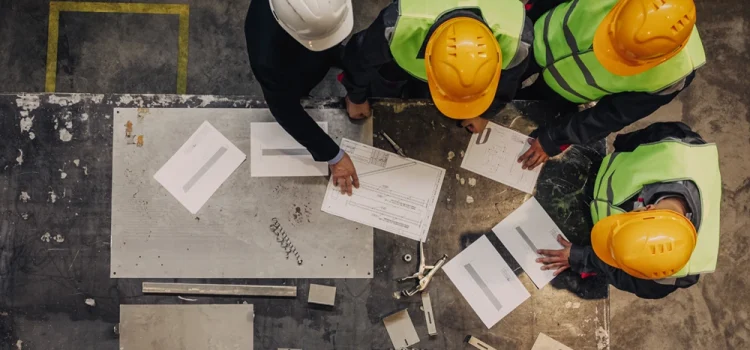
Imagine a construction site where chaos reigns, accidents are frequent, and safety is nothing more than an afterthought. Now, envision the opposite— a well-managed site where safety protocols are ironclad, accidents are rare, and efficiency is at its peak. The difference? The managers have undergone SMSTS training. But what is SMSTS, and why is it essential for site managers? In this article, we’ll delve into the Site Management Safety Training Scheme (SMSTS), clarifying its definition, target audience, and the critical role it plays in transforming construction site management. Stay with us to learn how this training can make all the difference.
What is SMSTS: Essential Training for Managers
The Site Management Safety Training Scheme (SMSTS) is a renowned training programme …